

Moving into your first place is an exciting milestone, but it comes with a big question: how much rent can I afford? For first-time renters in Southwest Missouri, building a realistic budget for an apartment is the best way to ensure your new home is a source of joy, not financial stress.
This guide provides a step-by-step breakdown of how to budget for your first apartment, from calculating your take-home pay to planning for move-in costs. While there are a lot of factors to consider, Bell Management is here to simplify the process and help you get the most out of your next apartment.

Why Budgeting Matters (BEFORE You Sign the Lease)
Knowing how to budget for an apartment defines your “search perimeter.” Many first-time renters face “sticker shock” when they realize that the monthly rent price isn’t the only cost. Without a plan, you might overlook hidden expenses like utility deposits, renters insurance, or internet setup fees.
By setting a budget for rent early, you can filter out properties that are too expensive and focus on high-quality, affordable housing that fits your lifestyle. This preparation also makes the application process smoother, as you’ll already know you meet the income qualifications required by property managers.
Step 1: Understand Your Monthly Income
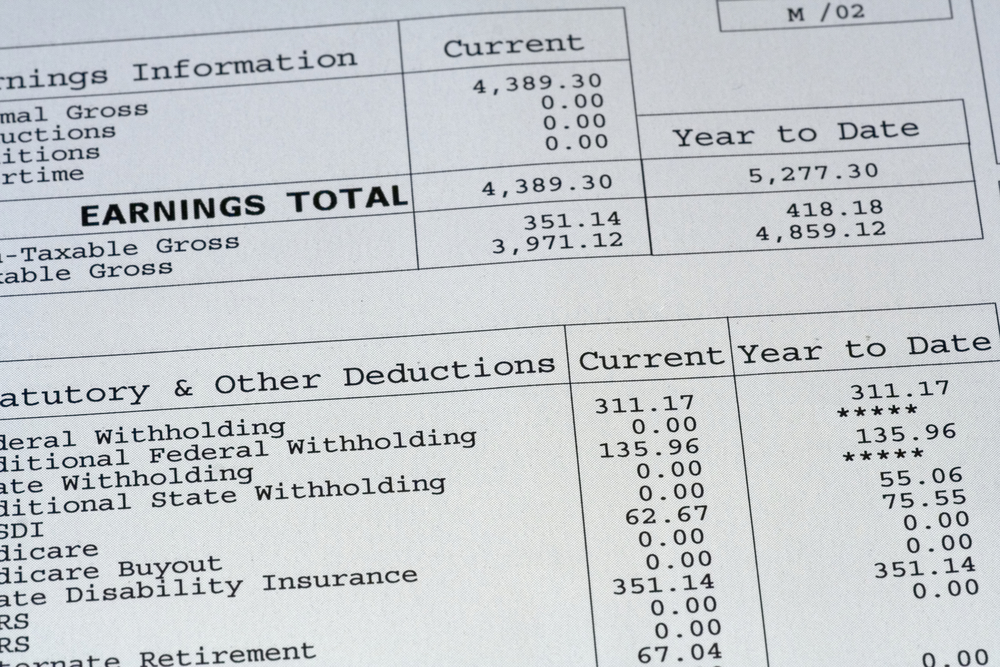
Before you can decide how much to spend, you need to know exactly what is coming in. Many people make the mistake of budgeting based on their gross income (the total before taxes), but you actually live on your net income (take-home pay).
How to Calculate Your Take-Home Pay
To find your true budget, look at your most recent pay stubs. Add up the actual amount deposited into your bank account each month. If you receive support from family or have a consistent side gig, include those figures as well.
Example: If you earn $18 per hour and work 40 hours a week, your gross monthly pay is roughly $3,120. However, after taxes and insurance, your take-home pay might be closer to $2,450. This lower number is what you should use for your budget.
What to Do If Your Income Fluctuates
If you are a tipped employee or freelancer in Joplin, find your “floor.” Look at your lowest-earning month from the past year and use that as your baseline. Any extra income earned during busy months can go into your savings cushion.
Step 2: Decide What Percentage of Income Should Go to Rent
A common rule of thumb is that rent should be no more than 30% of your gross monthly income. This ensures you have enough left over for groceries, transportation, and savings.
What Percentage of Income Should Rent Be?
While the 30% rule is a great starting point, first-time apartment tips often suggest aiming even lower—closer to 25%—if you have high student loan payments or want to save for a house. In Southwest Missouri, the cost of living is lower than in major metros, meaning your money often goes further in places like Webb City.
Example Rent Budgets
Gross Monthly Income | 30% Rent Ceiling | Recommended Budget Range |
$2,500 | $750 | $650 – $750 |
$3,500 | $1,050 | $850 – $1,000 |
$4,500 | $1,350 | $1,100 – $1,300 |
Step 3: List Your Monthly Expenses (Beyond Rent)
Your apartment budget for first-time renters in Missouri must include more than just the check you write to the landlord. Divide your spending into fixed and variable categories.
Fixed Expenses You Can’t Skip
These stay roughly the same every month:
- Utilities: Electricity, water, and trash (Ask the landlord for an average cost).
- Internet: Essential for work and streaming.
- Renters Insurance: Usually costs $15–$25/month and is often required.
- Debt Payments: Student loans, car payments, or credit cards.
Variable Expenses That Add Up Fast
These fluctuate based on your habits:
- Groceries/Dining: Budgeting for Joplin’s local favorites.
- Gas/Transportation: Commuting to Webb City or Neosho.
- Pet Care: Food, treats, and monthly pet rent.

Step 4: Plan for Upfront Move-In Costs
The biggest hurdle for first-time renters isn’t the monthly rent; it’s the “Day 1” costs. You should aim to have at least two months of rent saved before you move.
Your Move-In Checklist:
- Security Deposit: Usually equal to one month’s rent.
- Application Fees: Covers background and credit checks.
- Pet Deposit: If you’re bringing a furry friend.
- Utility Connections: Some providers require a deposit to start service.
- Moving Supplies: Boxes, tape, and a truck rental or pizza for friends who help.
Step 5: Use Our Interactive Apartment Budget Calculator
The best way to see if a floor plan at 17th Place fits your wallet is to run the numbers. Use our interactive tool below to visualize your spending.
How to use it:
- Enter your monthly income: Use your take-home pay for the most accuracy.
- Add estimated rent: Check our current availability for real-time pricing.
- Allocate expenses: Plug in your estimated utility and grocery costs.
- Review: If the calculator’s recommendation is too low, shows a “deficit” or a very thin margin, consider a roommate or a more affordable unit.
Rent Budget Calculator
Calculate your maximum rent budget.
Splitting Rent and Utilities With Roommates
If your dream apartment is slightly out of reach, learning to split rent with roommates can make a huge difference. This is a popular strategy for students and young professionals in the Joplin area.
How to Split Rent Fairly
- Even Split: Total rent divided by the number of people (best for equal-sized bedrooms).
- Square Footage: If one person has a master suite with a private bath, they may pay a larger percentage.
- Income-Based: Some roommates choose to pay based on a percentage of their respective earnings.
Pro-Tip: Always agree on how to handle the utility bills before you sign the lease. Use apps like Splitwise to keep track of who owes what for the electric bill or internet.
First-Time Apartment Tips for Renters in Southwest Missouri
- Check Average Utilities: In Missouri, heating costs can spike in winter. Ask the property manager for the “high and low” utility averages for that specific unit.
- Match Your Floorplan to Your Budget: Sometimes a one-bedroom is perfect, but a studio might save you $100 a month that could go toward your savings.
- Research Local Costs: Living in Webb City might offer a shorter commute to certain jobs, saving you significantly on gas.
How Bell Management Apartments Fit Into Your Budget
At Bell Management, we pride ourselves on transparent pricing. We believe first-time renters deserve to know exactly what they are paying for.
- No Surprise Fees: We walk you through every cost during the application process.
- Convenience: Our online resident portal allows you to set up recurring payments, making it easier to stick to your monthly budget.
- Affordable Variety: From the quiet streets of Webb City to the heart of Joplin at 20th Place, we offer options that fit various income levels.

How to Budget for an Apartment FAQs
Aim for 25% to 30% of your gross monthly income. For example, if you make $3,000 a month, your target rent should be around $750 to $900. Don’t forget to check if your rent is considered reasonable for the area.
Ideally, your “housing costs” (rent + utilities + insurance) should stay under 35% of your gross income. This ensures you aren’t “house poor” and can still afford groceries and entertainment.
You should save enough to cover the security deposit, first month’s rent, and at least $500 for miscellaneous moving expenses and emergencies.
Yes. Splitting a two-bedroom apartment at a property like 20th Place is almost always more affordable per person than renting a one-bedroom or studio alone.
Ready to find a place that fits your budget? Browse our available apartments in Joplin and Webb City.